
Even though our project has ended, we will still continue to share interesting resources for you and share some glimpses of our project with you! So, stay tuned! Today, we bring you one interesting lesson plan from our colleauges at Media Education Lab!
Influencers are everywhere in young people’s digital lives. They appear on Instagram, TikTok, YouTube and other platforms, sharing opinions, promoting products, presenting lifestyles and sometimes giving advice about education, work and success. For many students, influencers are not just entertainment — they are also a source of information and inspiration.
This is why influencer content can be a valuable topic in education.
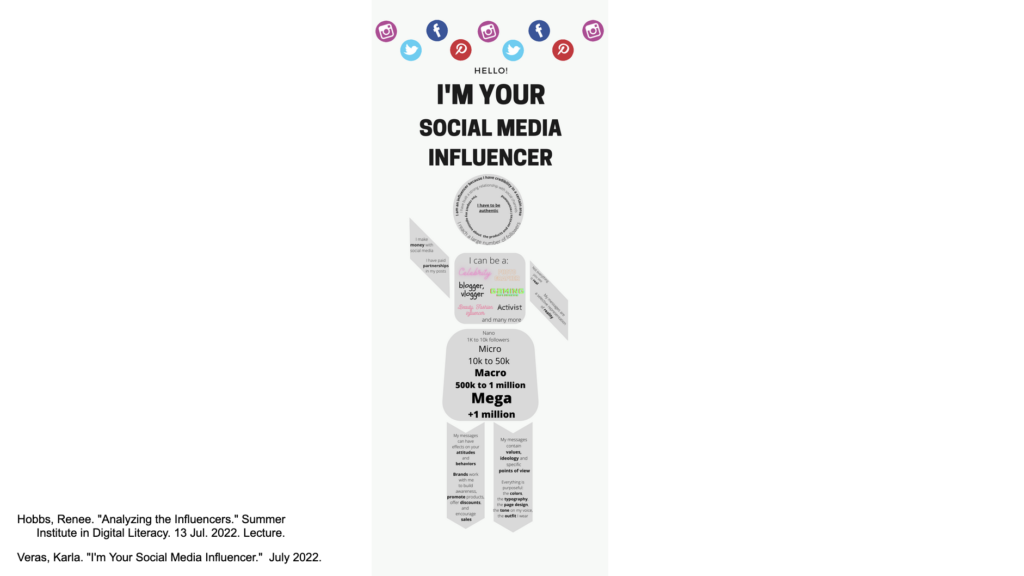
An interesting educational resource for this is the lesson plan “Hello! I’m a Social Media Influencer”, developed through Media Education Lab. The lesson aims to help learners understand and analyse the messages behind social media influencer posts, so they can better reflect on the influence these messages may have on their own lives.
This resource can be especially useful for VET teachers, trainers, school support staff and career guidance experts. VET students are preparing for the labour market, but they are also growing up in a media environment where work, success and identity are often presented through carefully created online images. By analysing influencer posts, students can learn to ask important questions: What is this influencer trying to communicate? Is the message authentic, promotional or both? What emotions does the post create? What lifestyle, values or career image is being promoted?
The lesson can also support discussions about advertising and hidden persuasion. Many influencer posts look personal and spontaneous, but they may include commercial goals, sponsorships or brand messages. Helping students recognise this does not mean teaching them to reject all influencer content. Instead, it helps them become more aware, critical and responsible media users.
For VET education, this topic connects strongly with career management. Students may follow influencers who present entrepreneurship, travel, beauty, fitness, gaming, fashion, technology or “easy money” as attractive career paths. These examples can open a wider conversation about what is visible online and what is often hidden: planning, skills, contracts, costs, editing, algorithms, audience pressure and unstable income.
VET experts can use the lesson in teacher training, media literacy workshops, career guidance activities or digital skills education. A simple classroom activity could ask participants to choose one influencer post and analyse it using guiding questions: Who created this message? Who is the target audience? What techniques are used to attract attention? Is anything being sold? What is included, and what is left out? How could this post influence a young person’s expectations about work or success?
The strength of this lesson is that it starts from something students already know. Influencer culture is not distant from their lives – it is part of their everyday media experience. When educators use this reality as a starting point, they can create meaningful discussions about digital responsibility, self-presentation, credibility and informed career choices.
The InfluVET project encourages educators to use resources like this to support young people in navigating the influencer era. Students do not only need technical digital skills. They also need critical thinking, media literacy and the ability to understand how online messages shape their choices.
Influencers can be entertaining, inspiring and educational. But they can also create unrealistic expectations. That is why schools and VET experts have an important role: to help students look beyond the post, understand the message and make thoughtful decisions in their digital and professional lives.
You can find the lesson here: https://sites.google.com/mediaeducationlab.com/blueteam2/home